

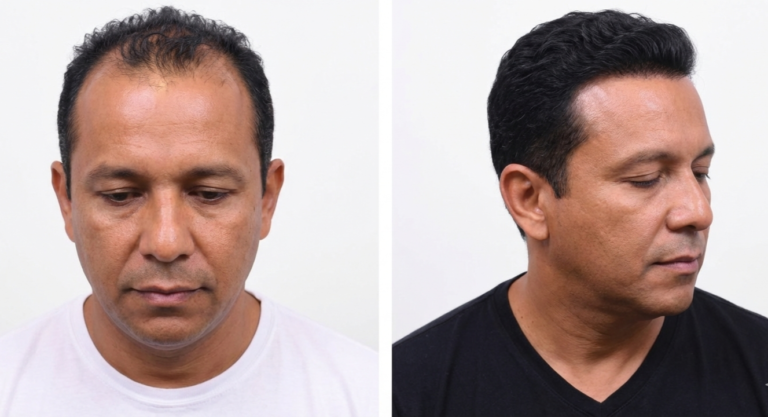
Hair loss rarely announces itself dramatically. It creeps in quietly, a thinner ponytail, a widening part, a receding hairline that seems more visible under bright lights. Many people try oils, serums, or supplements, hoping the problem will reverse on its own. When it doesn’t, frustration sets in.
At Skin-Hair Clinic, one of the most common things patients say is, “I wish I had understood earlier how modern treatments are different.” That difference lies in advanced hair restoration, a field that has changed dramatically in the past decade, offering solutions that focus not just on slowing hair loss but on restoring real, growing hair.
Let’s look at what truly sets advanced hair restoration apart.
What Is Advanced Hair Restoration and Why Is It So Effective?
To understand the difference, it helps to first clarify what advanced hair restoration is.
In simple terms, it refers to modern medical techniques that restore hair by transplanting or regenerating living follicles. Unlike temporary fixes, these follicles continue to grow naturally after the procedure.
Today’s hair restoration treatment may include:
- Follicular Unit Extraction (FUE)
- Follicular Unit Transplantation (FUT)
- Platelet-Rich Plasma (PRP) therapy
- Growth factor and regenerative treatments
These approaches rely on the principle that hair taken from the donor area (usually the back of the scalp) is genetically resistant to hair loss. Once transplanted, it continues to grow in its new location.
Globally, studies suggest that nearly half of men experience noticeable hair loss by age 50, and a significant number of women also face thinning. Such growing concerns have paved ways towards innovative and natural-looking treatment, the foundation of advanced hair restoration today.
The Limitations of Traditional Hair Loss Methods
Traditional solutions often ignore the root cause of the condition and focus on managing symptoms.
Common older approaches include:
- Long term administration of topical medications
- Cosmetic fibers or concealment products
- Older transplant techniques using large grafts
These methods may provide temporary improvement, but they rarely deliver permanent density or natural hairline design. In many cases, results fade once treatment stops.
This is one reason why patients researching options often compare advanced hair restoration reviews and notice how modern procedures consistently report higher satisfaction rates.
Precision Is the Real Game-Changer
One of the most significant differences in advanced hair restoration is precision.
Modern techniques are accurate and precise towards results; it involves transplant of individual follicular units, sometimes even containing just one or two hairs. This allows surgeons to recreate natural hairline patterns, control density, and ensure the direction of growth looks realistic.
Small technical improvements such as refined graft handling, better implantation tools, and improved preservation solutions have dramatically increased graft survival rates, often exceeding 90% in experienced hands.
From a patient’s perspective, this translates to:
- Natural-looking results
- Minimal scarring
- Faster healing
- Shorter downtime
These improvements have transformed how people perceive hair restoration treatment, making it less intimidating and more accessible.
Also Read – Oral vs Topical minoxidil: Which should you choose?
A Clear Comparison of Traditional vs Modern Approaches
Factor | Traditional Methods | Advanced Hair Restoration |
Goal | Slow hair loss | Restore natural hair growth |
Appearance | Sometimes artificial | Natural and customized |
Permanence | Temporary in many cases | Long-lasting results |
Scarring | More visible in older methods | Minimal or nearly invisible |
Recovery | Longer downtime | Faster recovery |
Patient Satisfaction | Variable | Consistently higher in modern procedures |
This evolution explains why advanced hair restoration is now considered the gold standard for suitable candidates.
Personalized Planning Makes a Big Difference
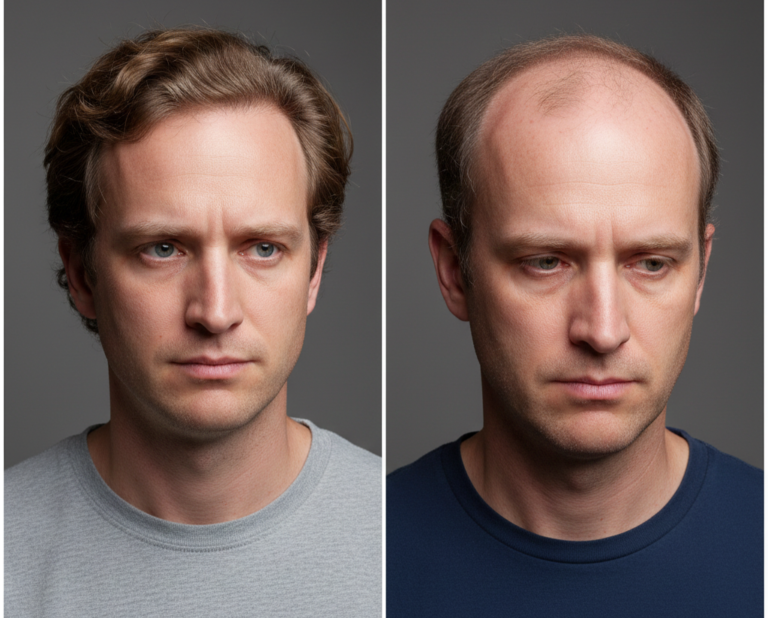
Another major shift is the level of customization.
Hair loss is rarely identical between two individuals. Genetics, hormones, age, scalp condition, and lifestyle all play a role. Modern hair restoration treatment begins with a detailed consultation and scalp analysis rather than jumping straight to a procedure.
In many cases, combining treatments such as transplantation with PRP therapy improves healing and strengthens surrounding hair. This integrated strategy is a hallmark of advanced hair restoration and one reason outcomes have improved so significantly.
Understanding Cost Without Misconceptions
Cost is often a concern, and patients frequently ask about the hair restoration cost during consultations.
Questions like How much does advanced hair restoration cost are important, but the answer depends on several factors:
- Number of grafts required
- Technique used
- Surgeon’s expertise
- Additional therapies, if recommended
While the advanced hair restoration cost may initially seem higher than topical treatments, many patients find it more economical over time because results are long-lasting.
This is another point frequently mentioned in advanced hair restoration reviews, where patients describe the procedure as a long-term investment rather than a recurring expense.
Who Benefits Most from Advanced Hair Restoration?
Not everyone with hair thinning needs surgery. Some individuals respond well to medications or PRP therapy alone.
The best candidates for advanced hair restoration are typically those who:
- Have stable donor hair
- Experience pattern hair loss
- Are in good general health
- Have realistic expectations
A thorough evaluation helps determine the effectiveness and approach of the treatment ensuring treatment is performed with safety and accuracy.


How Long Does Botox Last? A Complete Guide to Botox Results
How Long Does Botox Last? A Complete Guide to Botox

Colombia vs Turkey Hair Transplant: Which Country Offers Better Results in 2026?
Colombia vs Turkey Hair Transplant: Which Country Offers Better Results
Hair Transplant Cost Colombia: Complete 2026 Pricing Guide
Hair Transplant Cost Colombia: Complete 2026 Pricing Guide Hair loss
Quick Enquiry
Restoring More Than Hair
Hair restoration today is not what it was twenty years ago. Modern techniques are more refined, accurate and results are more than expected.
Advanced hair restoration stands apart because it combines medical science, surgical precision, and aesthetic understanding. The goal is not just to fill empty spaces but to restore confidence in a way that feels authentic.
If hair loss has been affecting your confidence or quality of life, a professional consultation can help you understand the options available and whether modern treatments are right for you.
If you’re considering a long-term solution for hair loss, book a consultation at Skin- Hair Clinic to explore safe and effective advanced hair restoration tailored to your needs.
It refers to modern techniques such as FUE, FUT, and regenerative therapies designed to restore natural, growing hair.
Costs vary based on graft count, technique, and individual requirements. A consultation provides the most accurate estimate.
Yes, transplanted follicles are usually resistant to hair loss and continue growing naturally.
Most patients resume daily activities within a few days, though full results develop over several months.
Modern techniques focus on precise placement and hairline design, producing very natural outcomes.
Most patients report improved confidence, natural results, and faster recovery compared to older techniques.
Yes, many women with thinning hair or pattern hair loss benefit from modern restoration procedures after proper evaluation.