

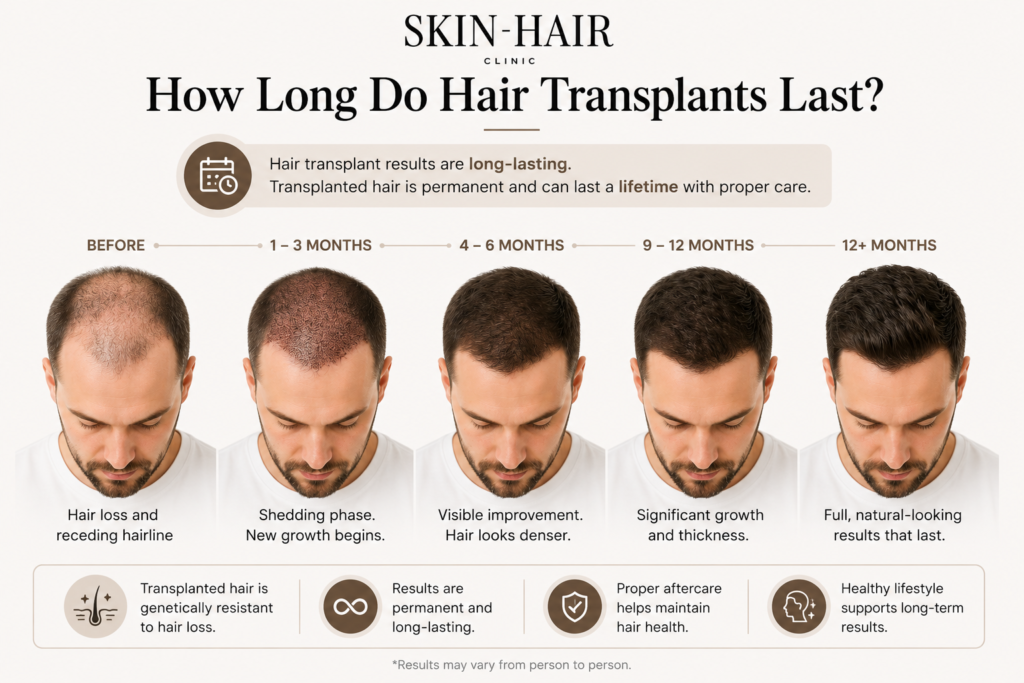
Have you ever wondered how long do hair transplants last or whether hair transplants are truly permanent?
For anyone considering hair surgery, especially a man’s hair transplant for a receding hairline, this is often the first and most important question.
In this blog, you will learn about the longevity of a hair transplant, whether it is permanent, and the factors that influence its duration. You will also learn about the comprehensive hair transplant timeline, the differences between various techniques, and how proper aftercare, medication, and clinic expertise ensure lasting, natural results.
How Do Hair Transplants Work?
A hair transplant procedure, also called hair restoration or hair follicle transplant, involves transferring healthy hair follicles from a donor area to areas of baldness or thinning hair. The donor region is typically located on the back or sides of the head.
These donor hairs are genetically resistant to balding and continue to grow naturally once implanted.
Men hair transplant helps restore a receding hairline and thinning crown, creating a natural and confident appearance.
Two main techniques are used:
- FUE (Follicular Unit Extraction): Individual hair follicles are removed and implanted using micrografts. This leaves minimal scarring and requires little downtime.
- FUT (Follicular Unit Transplantation): A strip from the scalp is removed from the donor area, from which follicles are extracted and implanted. It may leave a linear scar, but it allows for more grafts to be performed in a single session.
Both procedures are performed as outpatient procedures under local anesthesia and tailored to each patient’s pattern of hair loss.
Stages of Hair Transplantation
- Consultation & Assessment: Scalp evaluation, hairline design, and choice of technique (FUE or FUT).
- Preparation & Anaesthesia: Scalp cleaning, trimming, and numbing of the donor area for a painless procedure.
- Follicle Extraction: Healthy follicles are carefully removed from the donor site using micro-punch tools or strip extraction.
- Graft Implantation: Tiny incisions are made, and grafts are implanted following the natural hair growth pattern.
- Recovery Phase: Mild swelling or shedding may occur in the first few weeks as the scalp heals.
- Hair Growth: New growth begins around 4 months, with full, natural results visible within 12–18 months.
Is a Hair Transplant Permanent?
Yes, hair transplants are designed to be a permanent solution. Once transplanted, these follicles remain in place for life because they retain the genetic resistance to hair loss that they had at their original site.
However, permanence does not mean every strand will stay forever. If you’re wondering how long do hair transplants last, it’s important to understand that, like natural hair, transplanted follicles follow a growth cycle consisting of growth, rest, and shedding. Some hair may thin over time, but most follicles continue to produce new hair in the long term.
After hair implant surgery, temporary shedding in the first 2 to 3 months is a common occurrence. Real growth typically begins around month 4, with visible density between 6 and 12 months. Final results may take up to 18 months to appear.
Also Read – How many hair grafts do I need for a natural-looking hairline?
The Hair Transplant Timeline: What to Expect
Initial Healing | 1–2 weeks | Mild swelling and redness; tiny scabs form and fall off. |
Shedding Phase | 2–3 months | Transplanted hair sheds, a normal part of the growth cycle. |
New Growth | 4–6 months | Fresh hair begins to emerge from the implanted follicles. |
Visible Density | 9–12 months | Significant thickening and improved hairline. |
Full Results | 12–18 months | Final texture, direction, and coverage achieved. |
This process requires patience, but the outcome is worth it with a natural, fuller appearance that blends seamlessly with your existing hair.
How Long Do Hair Transplants Last?
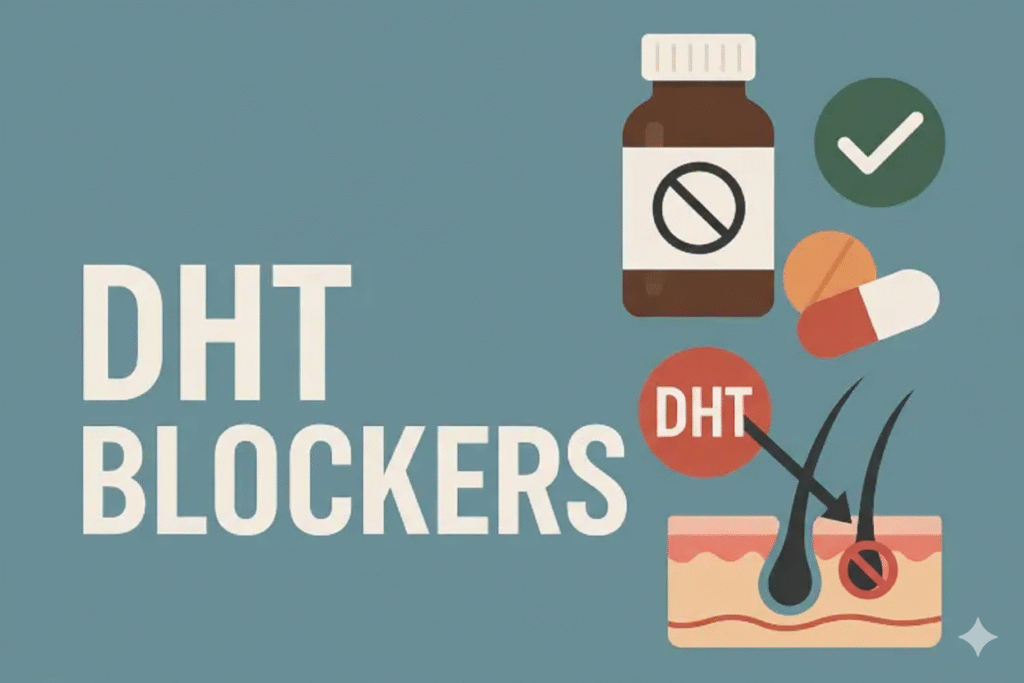
A well-performed hair surgery at a reputed clinic can last 10–20 years or even a lifetime with proper care. If you’re wondering how long do hair transplants last, the transplanted follicles are permanent, but the surrounding native hair can still thin due to ongoing androgenetic alopecia (genetic balding).
Hair transplant before and after results show visible improvement in density, coverage, and hairline definition.
To maintain the overall result, doctors may recommend:
- DHT-blocking medications such as finasteride or dutasteride
- Minoxidil topical foam to promote growth
- PRP (Platelet-Rich Plasma) therapy to strengthen grafts and stimulate regrowth
- Low-Level Laser Therapy (LLLT) to improve scalp circulation
With proper aftercare and follow-up, your hair transplant transformation can remain stable for decades before and after.
Hair Transplant Cost: What Determines the Price?
How much is a hair transplant depends on the number of grafts, the technique used, and specialist’s expertise.
The hair transplant cost usually depends on multiple factors:
- Number of grafts required (typically 1,000–4,000+)
- Technique used (FUE, FUT, or DHI)
- Specialist’s experience and clinic standards
- Extent of hair loss and desired density
While costs vary, investing in a qualified specialist and sterile, advanced techniques ensures both safety and natural results.
What Influences the Longevity of Hair Transplant Results?
Several factors affect how long your transplanted hair will last:
- Clinic and Surgeon Expertise – Choosing a medically accredited clinic ensures precision and minimizes the risk of complications.
- Aftercare Compliance – Following prescribed medications and avoiding harsh styling prevents premature loss.
- Age and Genetics – Younger patients may experience progressive thinning in non-transplanted areas over time.
- Lifestyle Choices – Smoking, stress, and poor nutrition can impact follicle health and long-term growth.
- Hair Maintenance – Using mild, sulfate-free shampoos and avoiding tight hairstyles, such as ponytails or braids, helps maintain hair density.
How to Care for Your Transplanted Hair
- Avoid touching or scratching the scalp during the early healing stage.
- Use only doctor-prescribed shampoo and avoid heavy products for the first month.
- Protect your scalp from direct sunlight for 3 to 4 weeks.
- Continue with recommended PRP or Minoxidil sessions.
- Maintain a healthy diet rich in protein, zinc, and iron.
These steps strengthen transplanted follicles, helping them grow thicker and healthier for years to come.
Men’s Hair Transplant and Receding Hairline Restoration
For men with a receding or thin hairline or thinning crown, hair transplant procedures offer targeted correction. Hairline transplant techniques recreate natural front hairlines using fine grafts placed in precise angles for seamless blending.
Every hair follicle transplant is mapped individually to mimic natural growth patterns, so the results look authentic, not artificial.
Are Hair Transplants Permanent?
Absolutely, especially when performed at a trusted clinic. The confidence regained from restoring your natural hairline and density is priceless. Though a hair transplant procedure requires patience, commitment, and investment, the outcome is long-lasting and life-changing. If you’re wondering how long do hair transplants last, the transplanted hair is typically permanent because it is taken from areas resistant to hair loss, allowing patients to enjoy natural-looking results for many years.
Why Choose Skin-Hair Clinic?
Skin-Hair Clinic is a leading center for hair transplant procedures known for its advanced technology, aesthetic precision, and certified human talent.
- Expert Specialists: Specifically trained specialists with years of experience in FUE and FUT surgeries.
- Advanced Techniques: Use of micrografting, implanter pens, and minimally invasive extraction for better density.
- Natural Results: Custom hairline design for each patient, ensuring natural growth direction and texture.
- Transparent Pricing: Honest consultations with no hidden hair transplant costs.
- Comprehensive Care: Pre-procedure assessment, post-surgery follow-up, and long-term hair health plans.
At Skin-Hair Clinic, hair transplant packages are customised based on a thorough scalp analysis.
With every hair surgery, the clinic ensures you are fully informed about your hair transplant timeline, recovery, and realistic expectations.


How Long Does Botox Last? A Complete Guide to Botox Results
How Long Does Botox Last? A Complete Guide to Botox

Colombia vs Turkey Hair Transplant: Which Country Offers Better Results in 2026?
Colombia vs Turkey Hair Transplant: Which Country Offers Better Results
Hair Transplant Cost Colombia: Complete 2026 Pricing Guide
Hair Transplant Cost Colombia: Complete 2026 Pricing Guide Hair loss
Quick Enquiry
A Lifelong Investment in Confidence
So, how long does a hair transplant last? With skilled execution and consistent aftercare, your hair transplant can last a lifetime. The transplanted hair continues to grow, allowing you to cut, style, and color it just like your natural strands.
At Skin-Hair Clinic, we combine precision, artistry, and science to deliver results that stand the test of time. Whether you are exploring men’s hair transplant, hair transplant for receding hairline, or want to understand how much a hair transplant costs, our experts are here to guide you every step of the way.
Rediscover your confidence with naturally restored hair.
Book your consultation at Skin-Hair Clinic today.
After twenty years, transplanted hair usually stays in place, but some thinning can still happen as you age. Keeping up with care and check-ups helps your results last and look natural.
How long do hair transplants last? Hair transplants usually last for life, but some thinning can happen as you get older. Taking care of your hair and choosing a skilled doctor helps you get the best results.
Yes, you might notice thinning if your original hair continues to fall out after a transplant. Regular check-ups and good care can help keep your hair looking full.
The price for 3,000 hair grafts depends on the clinic and the method used. Talk to a specialist to get a quote that fits your needs.
Treatments for baldness may get better by 2030, but there is no guaranteed cure yet. Keep an eye out for new developments.
Hair transplants usually don’t hurt because local anesthesia is used. You might feel a little sore afterward, but most people get back to their normal routine soon.
It takes about 10 to 14 days to heal, and your hair will start to look more natural over the next few months. Following aftercare instructions helps you get the best outcome and also answers an important question — How Long Do Hair Transplants Last.
Hair transplants are usually safe if done by an experienced surgeon. Careful planning and proper aftercare can help reduce any risks.
No, 40 is not too old for a hair transplant. At this age, hair loss patterns are often stable, which can lead to lasting and natural-looking results.
After a month, it’s okay to gently scratch your head, but avoid rubbing hard while your scalp is still healing.
About 5 to 10 percent of hair transplants may not work, often because of poor graft care or technique. Choosing an experienced surgeon gives you the best chance for success.
Yes, it’s usually safe to fly after a hair transplant. Just wait 3 to 7 days and follow your aftercare instructions to help prevent swelling. If you’re wondering how long do hair transplants last, the results are generally long-lasting, but proper aftercare and ongoing hair health are important for maintaining the best outcome.
You might notice some swelling or unevenness for 1 to 2 weeks after a transplant. Redness and scabs will go away as you heal.
Avoid caffeine after a hair transplant to minimize blood flow and swelling, promoting better graft survival. Follow your surgeon’s advice.