
Hair loss, diagnosis first
The dermatologist looks for the cause before suggesting anything. Depending on what she finds, your plan may include medical treatment, PRP, mesotherapy, Nanopore, LED light therapy or a hair transplant.
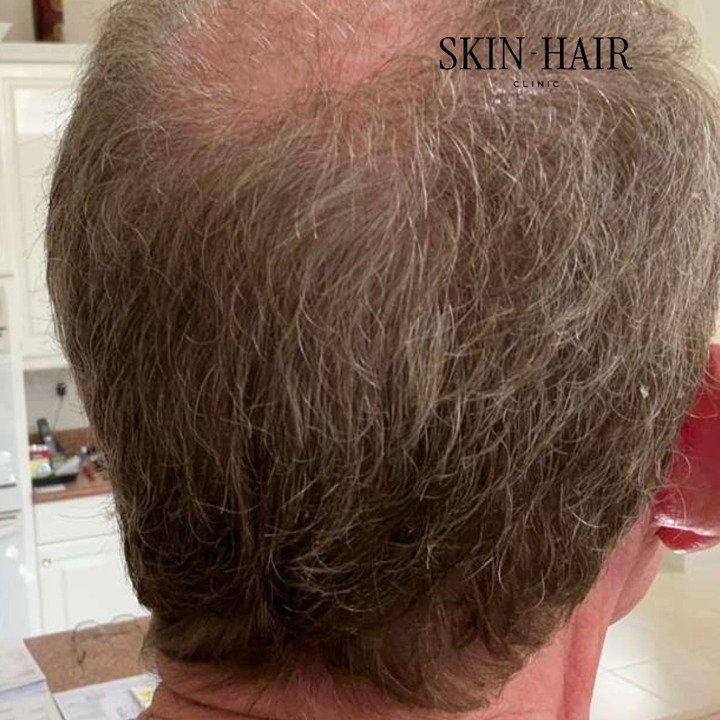
Why hair falls out
The most common causes we see at the clinic. Sometimes there’s more than one.
Genetics
Androgenetic alopecia. It starts at the temples or the crown and progresses slowly.
Stress and sudden changes
Telogen effluvium. Diffuse shedding a few months after an illness, a diet or a hard time.
Hormones
Thyroid, postpartum or menopause. Confirmed with blood tests.
Deficiencies and medications
Low iron or vitamins, and some medications.
Treatments
They’re almost always combined. The doctor chooses them based on the cause and how advanced the hair loss is.
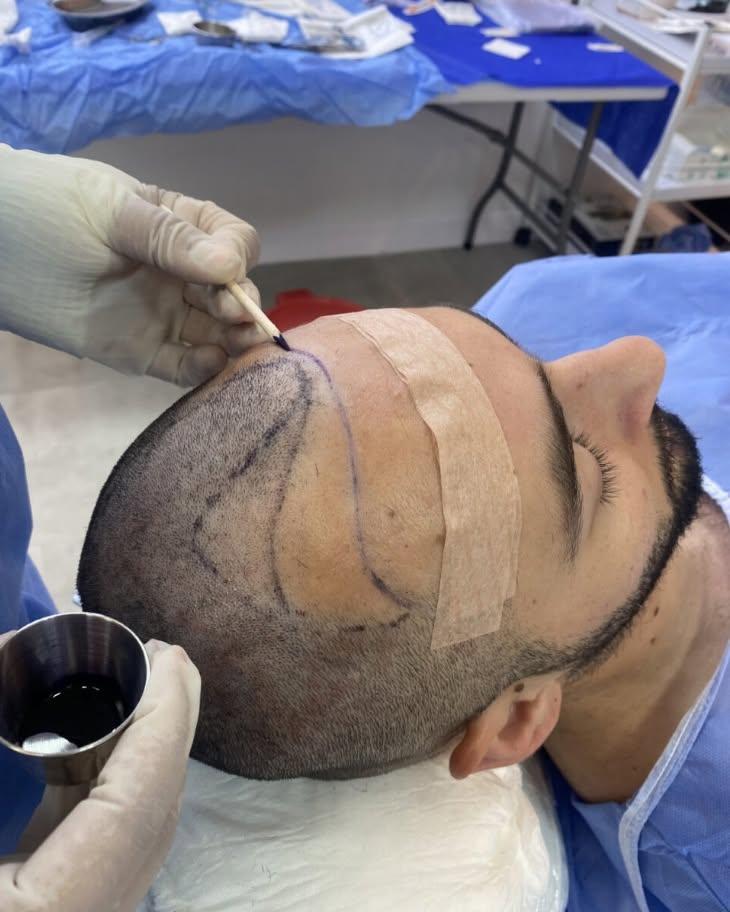
- Medical treatmentMinoxidil, finasteride or others, always with a prescription and follow-up.
- PRP for hairPlasma from your own blood to slow hair loss and strengthen your hair.
- Hair mesotherapyMicro-injections of vitamins and active ingredients into the scalp.
- Nanopore for hairMicroneedling that wakes up the follicle and strengthens hair.
- LED light therapyA needle-free add-on that stimulates the follicle.
- Hair transplantWhen there are bald areas and the hair loss is under control.
Where are you right now?
Pick the picture that looks most like you. The earlier you get assessed, the more options you have.
Norwood III · Deep recession
At this stage medical treatment, a hair transplant or both are usually considered. This is a guide, and the diagnosis confirms it.
Questions about hair loss
How much hair loss a day is normal?
Losing 50 to 100 hairs a day is considered normal. If you notice more on your pillow or in the shower for weeks, it’s worth getting it checked.
Does minoxidil work forever?
With hereditary hair loss, the effect lasts as long as you keep using it, and it can fade if you stop. That’s why the doctor follows up and adjusts your plan.
When does a hair transplant make sense?
When there are bald areas, the hair loss is under control and the donor area has enough density. The doctor assesses this with you before suggesting it.
Knowing the cause is the first step
Message us on WhatsApp and we’ll book you in with Dr. Lina María Muñoz.
Message us on WhatsApp+57 300 272 1343