

Table of Contents
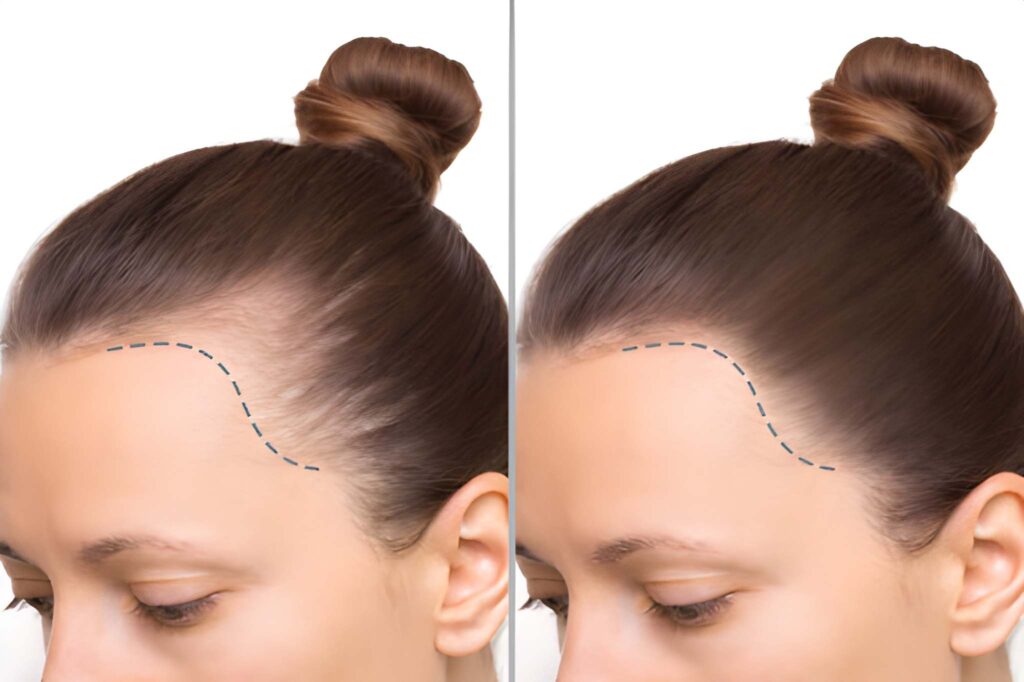
Hair loss in women is often quiet but deeply unsettling. A widening part, thinning at the crown, or a receding hairline can slowly change how you feel about your appearance, even if others barely notice. If you have ever searched for a hair transplant for women, wondered whether surgery is only for men, or felt confused about conflicting information online, you are not alone. Female hair loss is common, but its appearance, progression, and response to treatment differ from those of male hair loss.
In this guide, you will learn what a hair transplant for women entails, how it works, and when it is recommended. You will know the key causes of female hair loss, how doctors decide if you are a good candidate, and the differences between the various techniques of hair transplantation in women. By the end, you should feel better informed, more realistic, and more confident about whether a female hair transplant is the right step for you.
What is a hair transplant for women?
A hair transplant is a surgical procedure that involves relocating healthy hair follicles from a stable donor area, typically the back or sides of the scalp, to areas where hair is thinning.
In women, hair loss is often more diffuse than in men. Instead of clear bald patches, you may notice overall thinning, especially along the part line and crown. Before recommending surgery, an experienced hair doctor will look for underlying causes, such as anemia, thyroid disease, hormonal changes, or nutritional deficiencies, and treat these conditions first if necessary.
A female hair transplant can safely increase density, soften a receding or irregular hairline, and improve overall coverage.
FUE vs. FUT in Women
FUE | FUT |
How does a hair transplant work for women?
In most cases, hair transplant for women uses one of two techniques:
- FUT (Follicular Unit Transplantation)
A narrow strip of skin with hair is removed from the donor area. Individual follicular units are prepared under magnification and implanted into the thinning zones. The scar is usually fine and covered by surrounding hair, which is why many women prefer this method. - FUE (Follicular Unit Extraction)
Individual follicles are taken one by one with tiny punches and placed into the recipient area. This leaves small dot scars that are usually hard to see once healed.
In both methods, the transplanted hair retains the characteristics of the donor area, making it more resistant to further loss. This is why a well-planned female hair transplant can give long-lasting results.
If you are wondering, “How does hair transplant work for women?” in simple terms, think of it as relocating strong, active follicles from where you have more hair to where you need it most.
Who is a good candidate for a female hair transplant?
You may be a candidate for a hair transplant for women if:
- You have stable hair loss, not sudden or rapidly worsening shedding
- You have enough healthy donor hair at the back and sides of the scalp
- Medical causes such as iron deficiency, thyroid problems, or uncontrolled hormonal issues are already under treatment
- You have realistic expectations and want improvement in density
Also Read – How Long Do Hair Transplants Last?
What to expect from the female hair transplant journey
Patients often want to know does hair transplant works for women, and the answer depends on proper diagnosis and stable donor hair.
Consultation and planning
Your first visit focuses on understanding your issue and concern. The medical history is reviewed, including medications, family pattern of hair loss, pregnancies, and any previous treatments. Your scalp is examined closely to check donor density and the type of thinning you have.
If surgery is suitable, the determination of the number of grafts required, outlining the new hairline, or defining density zones is discussed, along with the expected results.
Day of the procedure
- Local anesthesia is used to keep you comfortable
- Donor hair is harvested using FUT or FUE, depending on your plan
- Tiny recipient sites are created following your natural growth pattern
- Grafts are placed one by one for a soft, natural look
Most procedures last several hours. You go home the same day with clear aftercare instructions.
Recovery and results
After a female hair transplant, it is normal to have mild swelling, redness, and tenderness for a few days. The transplanted hair often sheds in the first weeks. New growth usually begins around the third or fourth month and continues to improve up to a year.
Benefits of Hair Transplantation in Women

- Helps restore fuller density in thinning areas without altering natural hair texture
- Creates a softer and more defined female hairline that complements facial features
- Uses your own follicles, so the results blend naturally with existing hair
- Offers a long-lasting solution because donor hairs are typically resistant to further thinning
- Improves confidence and overall self-image as volume gradually returns
- Allows targeted placement in areas such as the part line, temples, or crown for a balanced look
- Reduces the need for camouflage methods such as powders, extensions, or wigs
Risks of Hair Transplantation in Women
- Donor areas must be stable; otherwise, results may be limited or short-lived
- Mild swelling, redness, and temporary shedding of transplanted hairs may occur
- Diffuse thinning patterns can make donor selection more challenging
- Infection, scarring, or uneven density can happen if aftercare is not followed
- Unrealistic expectations may lead to dissatisfaction, especially in advanced hair loss
Hair transplant for women cost
Many people ask what is a hair transplant for women and wonder how much is hair transplant for women when they begin noticing thinning along the hairline or parting. The hair transplant cost depends on several factors, such as:
- Number of grafts required
- Technique used (FUT or FUE)
- Complexity of the case and previous procedures
- Clinic expertise and aftercare support
Hair transplant for women cost can differ widely because each case requires a personalized plan based on the extent of thinning and treatment goals.
The hair transplant cost is discussed openly after your assessment. You receive a precise, personalized quote tailored to your specific goals and medical needs, rather than a single price that applies to all.
Why choose Skin-Hair Clinic Medellin for a female hair transplant?
At Skin-Hair Clinic, your evaluation is done by dermatology specialists with a background in cosmetic dermatology and aesthetics. They consider both the health of your scalp and the pattern of your hair loss before advising on surgery.
- Dermatology-led care- Dr. Lina Maria Muñoz, MD, Dermatologist with advanced training in cosmetic dermatology and a focused interest in hair restoration, guides your treatment.
- Strong experience with hair- While our clinic is known across Colombia for male hair transplants and beard restoration, the same level of precision, planning, and artistry is applied to every female hair transplant.
- Medical and cosmetic view combined- We treat the scalp as well as the hair. This involves assessing for underlying conditions, balancing medical therapies with surgical interventions, and creating a hairline that complements your face, age, and lifestyle.
- A calm, supportive environment- Hair loss in women often carries emotional weight. Our team takes the time to review options, answer questions, and guide you from the first consultation through to the final follow-up.
If you are searching for “hair transplant for women near me” in Colombia, Skin & Hair Clinic Medellin offers a combination of medical expertise and aesthetic sense that keeps your safety and confidence at the center.


The ultimate guide to getting a beard transplant
The ultimate guide to getting a beard or facial hair
How Often Should You Do Red Light Therapy?
How often should you do red light therapy? Interest in
What Makes Advanced Hair Restoration Different from Traditional Methods?
What Makes Advanced Hair Restoration Different from Traditional Methods? Hair
Quick Enquiry
Reclaim Your Hair, Restore Your Confidence with Skin-Hair Clinic
A female hair transplant can be a meaningful way to regain density, soften the hairline, and feel more like yourself again. With a clear understanding of how the procedure works, who it helps, and what results to expect, you can make an informed decision about your next steps.
If thinning hair has begun to affect your confidence or daily routine, a personalized evaluation can help determine whether this treatment is proper for you. Schedule a consultation with Skin-Hair Clinic and start planning a solution tailored to your needs, goals, and long-term hair health.
A hair transplant for women involves relocating healthy hair follicles from a stable donor area, typically the back or sides of the scalp, to areas where hair is thinning. The goal is to increase density and improve the hairline in a way that looks natural and long-lasting.
Yes, hair transplant works for women with diffuse thinning if there is still a strong donor area and the pattern of loss is stable. A detailed scalp and medical evaluation is essential to decide if surgery is the right choice.
At Skin & Hair Clinic, we use FUT, FUE, or a combination, depending on your hair pattern. Under local anesthesia, donor follicles are harvested, prepared, and implanted into thinning areas following your natural direction of growth to achieve a soft and feminine result.
Hair transplant for women cost is based on the number of grafts, the chosen technique, and the complexity of your case. After a comprehensive consultation in Medellin, you will receive a personalized estimate, allowing you to determine your hair transplant cost before making a decision.
Yes. Conditions such as thyroid imbalance, anemia, or hormonal disorders can cause or worsen hair loss. These need to be diagnosed and treated first. Once they are stable, your doctor can decide if a female hair transplant is suitable.
Transplanted hair follicles taken from stable donor zones are typically resistant to further loss, resulting in long-lasting outcomes. However, ongoing medical care for underlying conditions and proper hair care remain important to protect your remaining native hair.
Most women return to light daily activities within a few days. Swelling and redness usually improve in the first week. Strenuous exercise is often delayed for around two weeks. New growth becomes noticeable after a few months and continues to improve over time.
When planned by experienced hair doctors, female hair transplant results can blend seamlessly with your existing hair. At our clinic, we use single hair grafts at the front, follow natural angles, and design hairlines that suit female facial features.
Local anesthesia keeps you comfortable during the procedure. Some tightness or tenderness is normal afterward, but this is usually mild and improves with prescribed medication and proper care.
If you live in or near Medellin, you can visit Skin & Hair Clinic. Our team will guide you through evaluation, treatment options, and a tailored female hair transplant plan designed around your needs and lifestyle.