
Skin benefits of fractional laser
What fractional CO₂ laser does for scars, dark spots, fine lines and texture, how many sessions it takes and what recovery looks like.
Written and reviewed by Dr. Lina María Muñoz
Dermatologist · · 6 min read
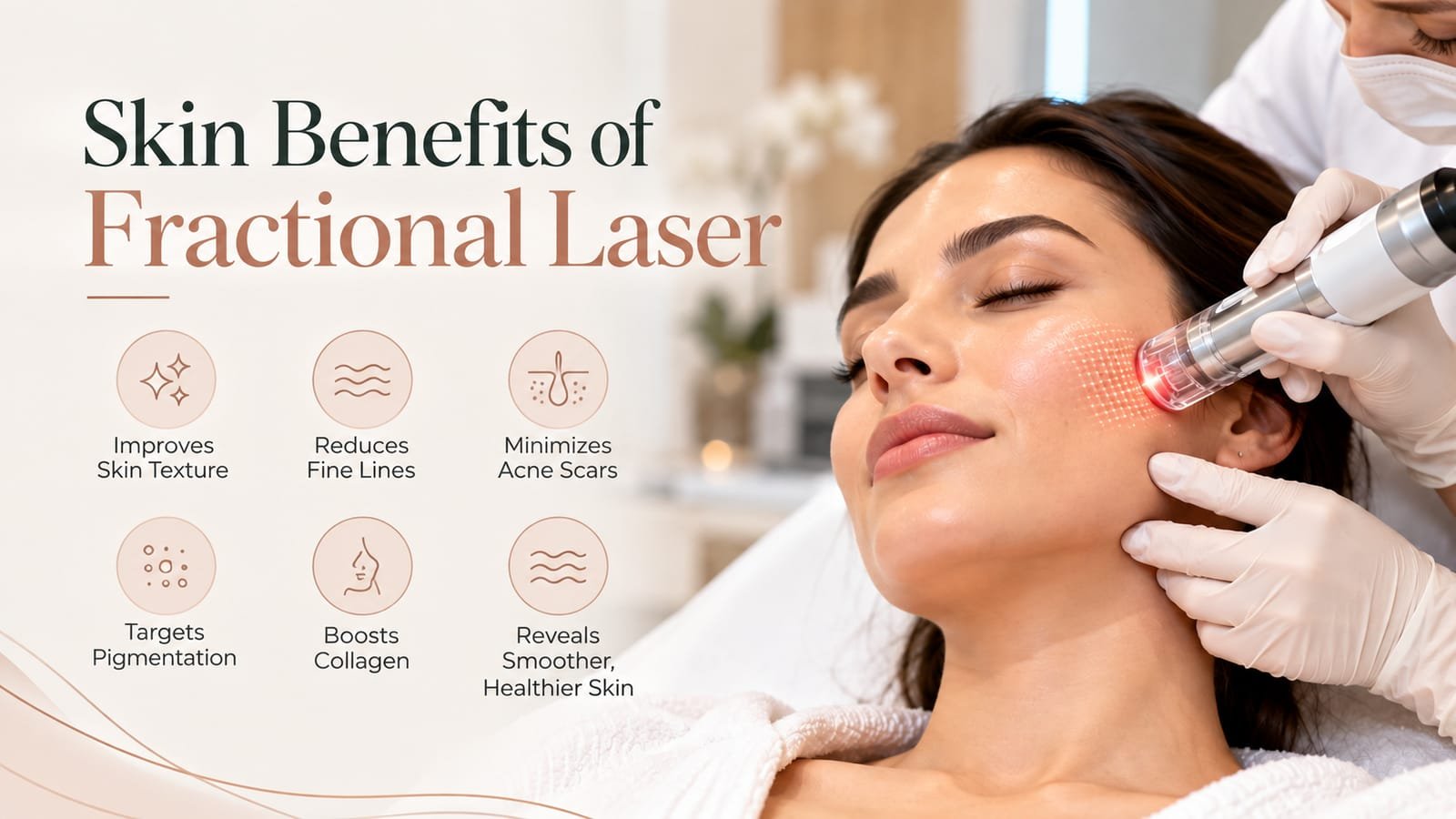
Exploring the clinical benefits of fractional laser treatments reveals how modern cosmetic dermatology can address persistent texture issues, stubborn acne scarring, and sun damage without extensive downtime. Patients seeking skin rejuvenation often feel overwhelmed by complex procedures or concerned about recovery times.
Photothermolysis (fractional laser therapy) is based on the principle that it delivers only light energy to specific, micro-sized treatment areas, while leaving the surrounding skin cells undamaged.
What is Fractional Laser used for?
Fractional laser is primarily used to improve skin texture, scars, pigmentation and signs of photoaging. Depending on the laser technology, energy settings and patient’s skin characteristics, it may be considered for several concerns.
| Skin concern | How fractional laser may help? |
|---|---|
| Acne scars | Stimulates collagen remodeling and can soften uneven scar texture. |
| Fine lines | Collagen remodeling may reduce the appearance of fine wrinkles. |
| Uneven texture | Controlled resurfacing can make rough or irregular skin feel smoother. |
| Sun damage | Resurfacing can help improve some changes associated with chronic sun exposure. |
| Pigmentation | Certain laser protocols may improve selected pigmentation concerns, although pigmentary changes can also occur after treatment. |
| Enlarged pores | Skin remodeling may make pores appear less prominent in some patients. |
Fractional lasers can be ablative or non-ablative. Ablative fractional lasers, including fractional CO₂, create microscopic areas of controlled tissue removal and generally provide stronger resurfacing with more recovery. Non-ablative fractional lasers heat deeper skin layers while leaving the surface more intact.
How does fractional laser technology work to rejuvenate skin?
Fractional lasers split a single laser beam into thousands of microscopic thermal zones (MTZs) that penetrate deep into the dermal skin layer to trigger controlled healing. Unlike conventional ablative lasers which remove all of the top layer of skin (epidermis), a fractional laser only treats a percentage of the treatment area at a time.
At The Skin And Hair Clinic, clinical specialists utilize advanced energy settings to customize treatment depth based on individual skin thickness and specific dermal concerns. The untreated skin around each micro-injury leaves “bridges” that speed up cellular turnover, decrease redness, and induce collagen remodeling in the deeper dermis.
Can using a CO2 laser for scars effectively smooth acne and surgical marks?
Applying a CO2 laser for scars breaks down dense fibrous scar tissue and stimulates smooth collagen remodeling to even out deep indents and textural depressions.
Icepick, boxcar and rolling scars are caused by a loss of collagen, known as atrophic scars. During scar revision at The Skin And Hair Clinic, customized laser energy penetrates deep scar tissue to vaporize damaged fibers. This process will stimulate new collagen growth and slowly raise lowered scars to the level of healthy skin.
What are the main skin benefits of fractional laser?
The potential benefits of fractional laser depend on the condition being treated, laser type and treatment settings. Commonly discussed benefits include:
| 1. Improvement in acne scars | Fractional resurfacing can remodel scarred skin and reduce the appearance of depressed or uneven acne scars. Laser treatment is one of several approaches used for acne-scar management. |
|---|---|
| 2. Smoother skin texture | Controlled resurfacing can reduce irregularities on the skin surface and encourage collagen remodeling. |
| 3. Reduction in fine lines | Collagen remodeling may improve the appearance of fine wrinkles, particularly those associated with photoaging. |
| 4. Improvement in uneven pigmentation | Fractional laser may be considered for selected pigmentation and sun-damage concerns. However, treatment must be carefully planned because inflammation from laser treatment can itself cause temporary or persistent pigment changes. |
| 5. Gradual skin rejuvenation | Unlike treatments that simply alter the skin surface, fractional resurfacing also stimulates a longer-term healing and remodeling response. Improvements can therefore continue during the weeks and months following treatment. |
Can CO₂ laser help with scars and dark spots
Yes, CO₂ laser for scars can be considered for selected acne, surgical and other textural scars. Fractional laser energy creates controlled microscopic treatment zones that encourage collagen remodeling, which can make some scars less noticeable. The response varies according to scar type, depth, location and skin characteristics.
CO₂ laser for dark spots requires more caution. Although resurfacing may improve some pigmentation concerns, CO₂ laser is not appropriate for every type of dark spot.
In particular, those individuals with dark-colored skin or a history of post-inflammatory hyper pigmentation might be at higher risk for temporary or permanent hyper pigmentation following laser therapy.
A dermatologist should first determine whether the pigmentation is caused by melasma, post-acne pigmentation, sun damage or another condition before selecting a laser treatment.
Can I use fractional laser if I have sensitive skin?
Sensitive skin does not automatically rule out fractional laser, but it does require careful assessment. The dermatologist may need to consider the cause of sensitivity, current skincare products, inflammation, previous reactions and the patient’s skin type before deciding whether treatment is appropriate.
People with darker skin tones also require particular attention to treatment settings because pigmentary complications can occur after laser resurfacing. Evidence reviews note that ablative fractional lasers generally have greater efficacy but also longer recovery and higher complication risk in darker skin types than non-ablative fractional devices
What should you expect after fractional CO₂ laser treatment?
Redness, swelling, warmth, peeling, crusting or a burning sensation can occur during the recovery period. Recovery varies according to the laser used, treatment intensity and individual healing response. Fractional CO₂ resurfacing generally involves more downtime than non-ablative fractional treatment.
Sun protection is particularly important before and after treatment. Patients should follow the dermatologist’s instructions regarding cleansing, moisturising, sunscreen and the temporary avoidance of potentially irritating skincare ingredients.
Although fractional treatment reduces the amount of skin treated at one time compared with fully ablative resurfacing, it is not risk-free. Possible complications include prolonged redness, infection, acneiform eruptions, pigmentary changes and, rarely, scarring or other complications.
How much does a fractional CO2 laser session cost?
There is no medically meaningful single price that applies to every patient. A facial treatment may involve the full face, selected areas such as acne scars, or additional regions such as the neck. The appropriate treatment plan and cost should therefore be discussed during a dermatological consultation rather than estimated from the laser name alone.
How many fractional laser sessions are needed?
The number of sessions depends on the treatment goal. Mild texture concerns may require a different approach from deeper acne scars or significant photoaging. The number of sessions that will be required for recovery will also depend on the treatment setting.
A dermatologist can assess the skin, discuss realistic outcomes and determine whether fractional CO₂, another fractional laser, or a different treatment would be more suitable.
Ready to renew your skin?
If you are considering fractional laser resurfacing to address acne scarring, sun spots, or uneven texture, expert guidance ensures a safe and tailored experience. Book a personal consultation with the medical team at The Skin And Hair Clinic to evaluate your skin condition, discuss your aesthetic goals, and receive a customized treatment plan tailored to your needs.
Related treatment
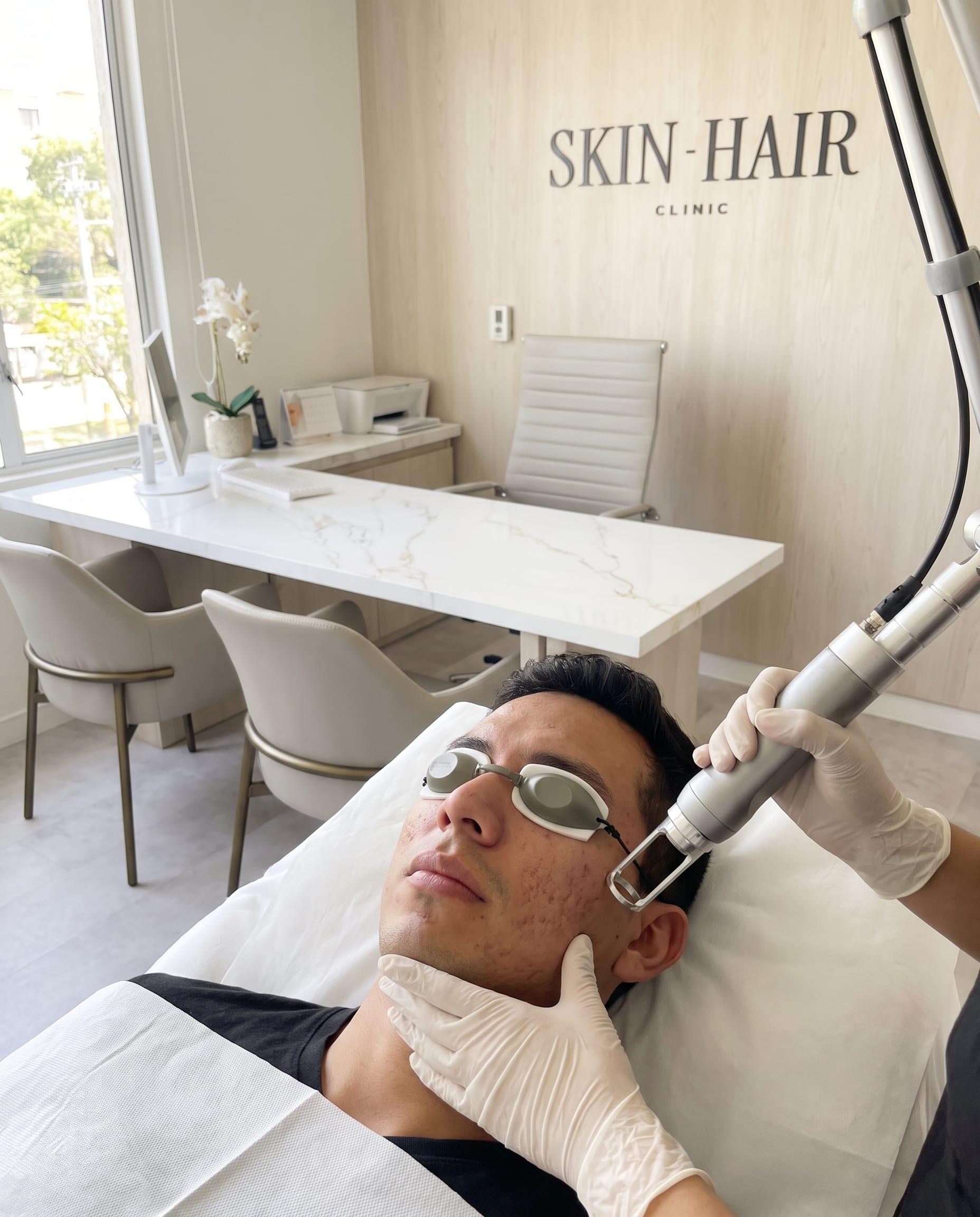
CO₂ laser in Medellín
Fractional CO₂ laser for acne scars, uneven texture, dark spots and fine lines.
FAQ's
Does fractional laser improve skin texture?
Yes. One of the principal purposes of fractional resurfacing is to improve uneven skin texture through controlled resurfacing and collagen remodeling.
Can fractional CO₂ laser cause pigmentation?
Yes. Post-inflammatory hyperpigmentation is a recognised potential complication of CO₂ laser treatment, particularly in patients with darker skin or other risk factors. Appropriate patient selection, conservative treatment parameters and strict photoprotection are important.
Is fractional laser suitable for everyone?
No. Suitability depends on the patient’s skin condition, medical history, skin type, medications, tendency to scar or develop pigmentation and the specific concern being treated. A dermatologist should assess these factors before treatment.
How much do 3,000 hair grafts cost?
The fractional CO₂ laser session cost varies between clinics because pricing depends on the treatment area, laser device, treatment intensity, number of sessions required and the complexity of the skin concern.
Start with an assessment
Message us on WhatsApp and we’ll book you in with Dr. Lina María Muñoz.
Message us on WhatsApp+57 300 272 1343